



Milgrain edges, trefoil prongs, and baguette channels that recall Art Deco jewelry. We make new rings in vintage styles and restore genuine antique ones.
The vintage setting
What makes a vintage
- What it is
- Period details like milgrain, filigree, engraving, and geometric side stones
- Why people choose it
- A ring with character that looks like it has a story
- Worth knowing
- Fine milgrain softens with years of wear, and we can restore it
- Shapes that suit it
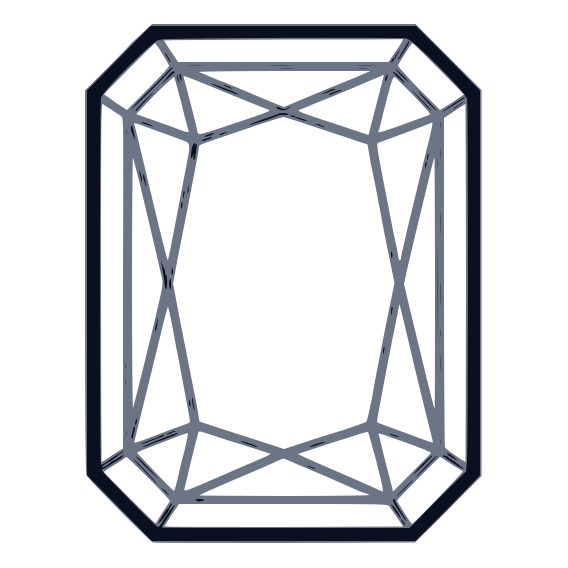
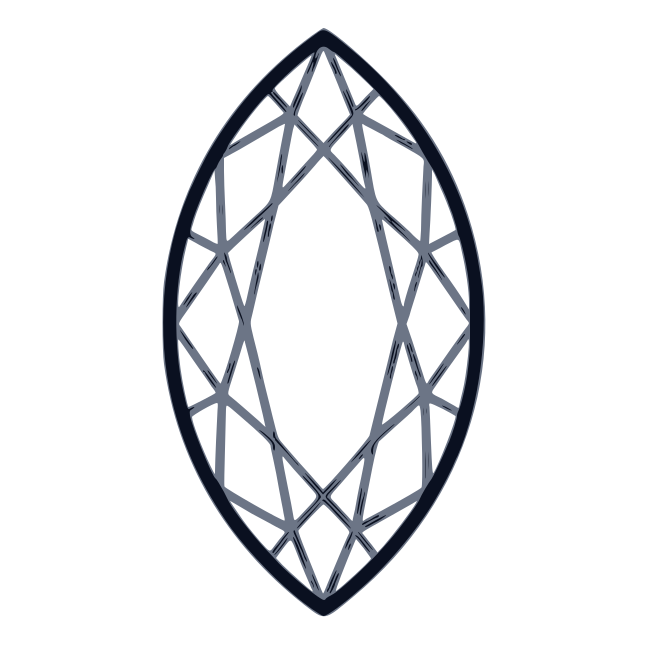
- Asscher, emerald, cushion, and marquise
Choose a shape
Pick a shape for your vintage
Each shape opens the designer with a vintage setting already chosen.


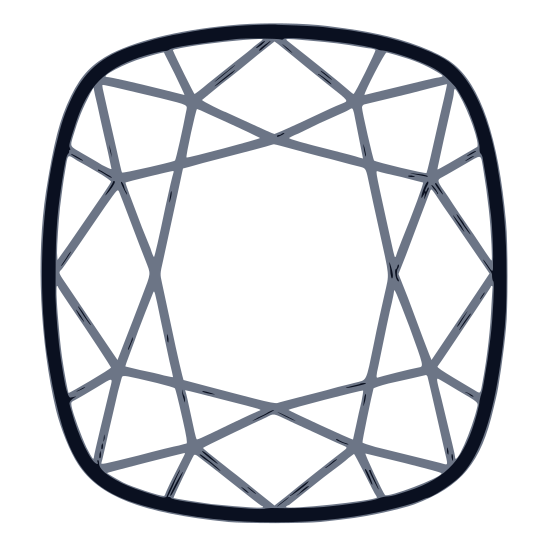
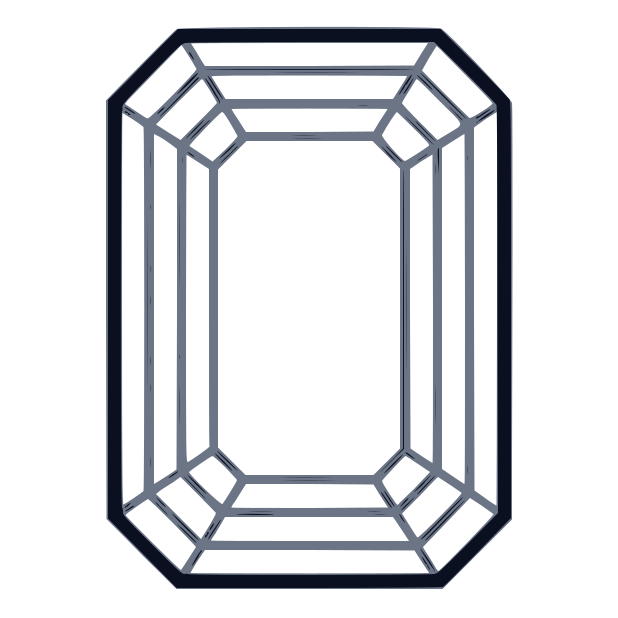
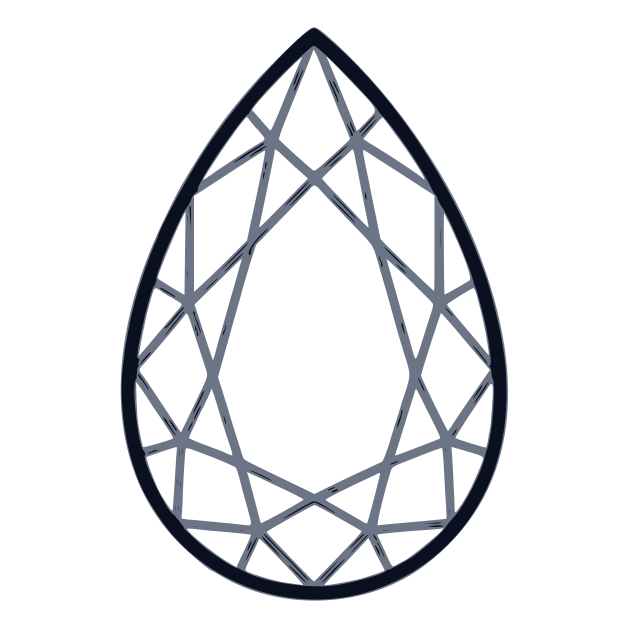
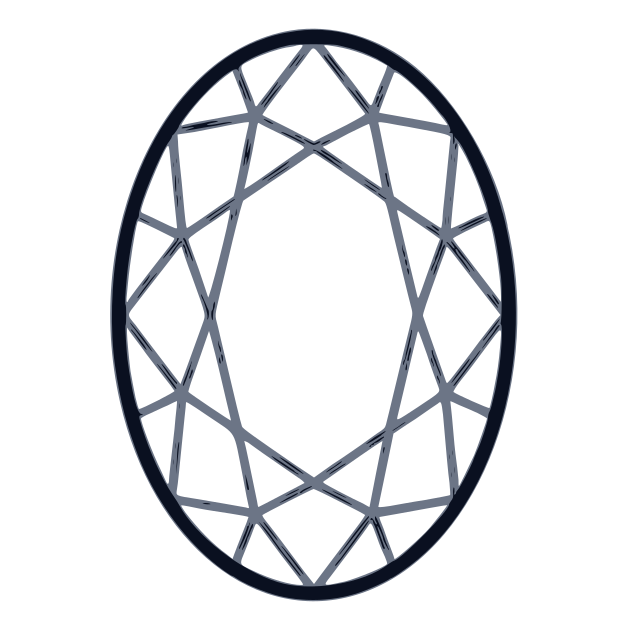


From the catalog
Shop vintage engagement rings


See them side by side
Photos can't show how a diamond moves in the light. Our GIA Graduate Gemologist will set out stones in your size and budget so you can compare them under the loupe, and our master jeweler makes your ring in our Clearwater workshop.
Can you restore an antique ring?
Yes. Our master jeweler retips worn prongs, rebuilds milgrain, and replaces missing stones, and the inspection is free.
Do you have natural and lab-grown diamonds?
Both. We'll quote them side by side in the same shape and size so you can compare.
Can I see the ring before it's made?
Yes. You'll approve a CAD rendering or a wax model before anything is cast.
Engagement rings
Other settings
Solitaire
One center diamond held by four or six prongs on a plain or slim band.
Explore
Halo
A frame of pavé diamonds around the center, often with pavé down the band.
Explore
Hidden halo
A hidden ring of pavé beneath the center stone, visible from the side.
Explore
Bezel
A collar of metal around the edge of the center stone.
Explore
Three-stone
A center diamond flanked by two smaller stones, often pears, rounds, or tapered baguettes.
Explore
Design your own
Every head, band, metal, and shape in 3D.
Explore

Visit the showroom
Hours and directions
Call or email
Hours
- Monday to Friday
- 10am to 6pm
- Saturday
- 10am to 4pm
- Sunday
- Closed